



Light is the heartbeat of photography — the element that shapes, reveals, and transforms everything it touches. Without light, there is no image; but with the right light, even the simplest subject can become extraordinary. The art of light isn’t just about exposure — it’s about mood, texture, and emotion. It’s the difference between a photograph that documents and one that breathes.
In photography, light paints the scene. A shaft of sunlight falling through a window can turn a quiet kitchen into a stage of contrasts — the gleam of metal, the soft reflection on tiles, the deep shadow beneath the counter. The same space under overcast light would tell a completely different story: muted tones, subtle transitions, a sense of calm introspection. Light doesn’t just illuminate objects; it reveals atmosphere.
There are many types of light, each with its own personality. Golden-hour light, warm and low, wraps everything in a soft glow, ideal for portraits or cityscapes that feel alive and romantic. Hard midday light brings out textures — the roughness of stone, the sharp edges of glass and steel — perfect for bold architectural shots. Diffused light, such as that on a cloudy day, softens shadows and flattens contrast, allowing details to emerge gently, ideal for product or food photography.
Great photographers don’t chase light — they understand it. They know how to let it sculpt their subjects, when to wait for it, and when to bend it to their will. A reflection in a puddle, the flicker of candlelight, or the glow of neon against wet asphalt — all are invitations to see the world differently.
To master the art of light is to learn to see beyond brightness and shadow. It’s to feel how light moves through space, how it wraps around shapes, and how it creates emotion through contrast and color. Because in the end, photography isn’t about capturing what we see — it’s about capturing how light makes us feel.
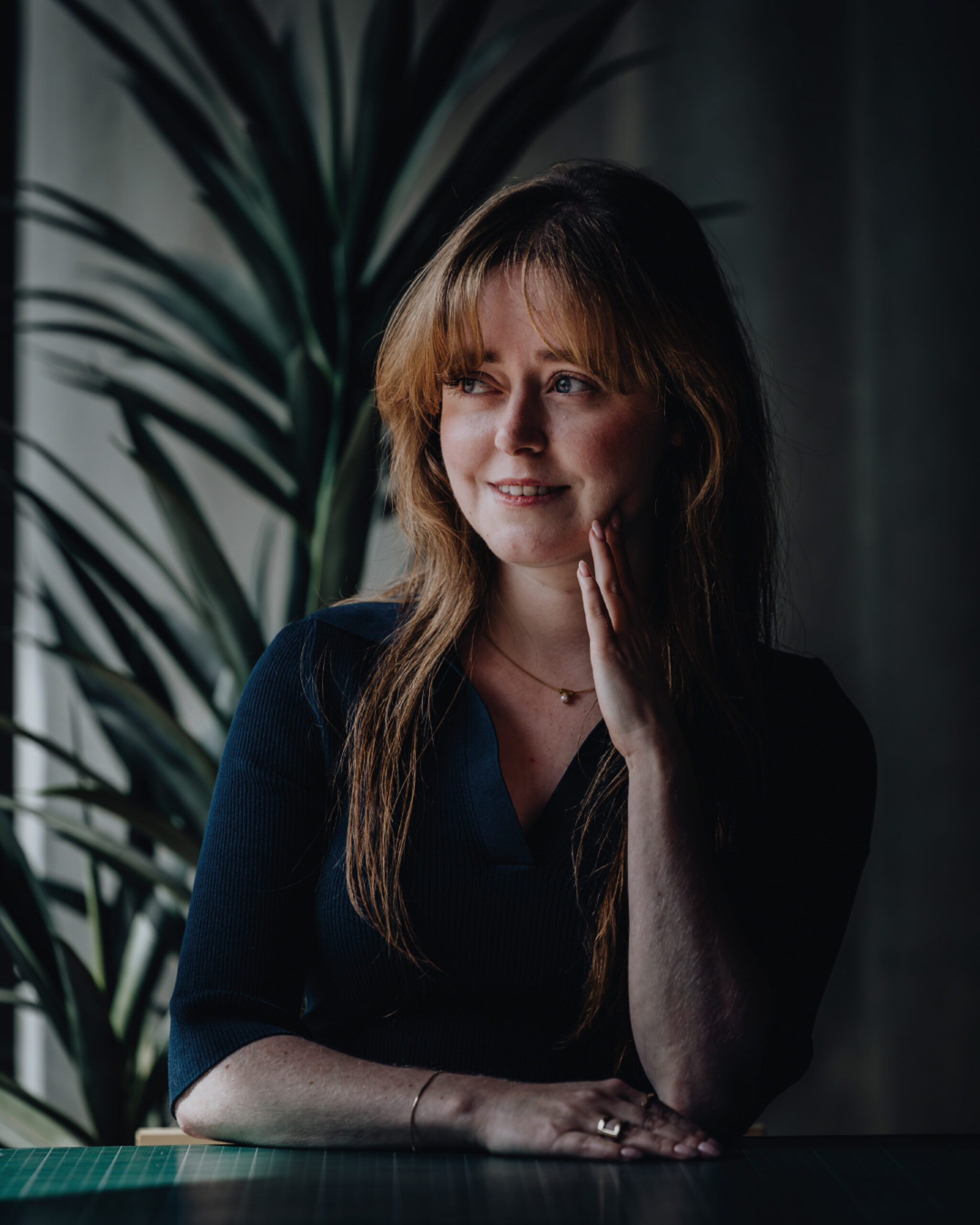
In portrait photography, light is more than illumination — it’s emotion. It sculpts the face, reveals character, and tells a story without words. A soft window light can wrap gently around a subject, highlighting warmth and vulnerability, while a single beam of sunlight across the cheek can add drama and depth. Side light reveals texture — every curve, every line — while backlight creates halos and silhouettes that feel dreamlike. The direction, color, and intensity of light all shape how we perceive a person. In the art of portraiture, mastering light is not just about technique — it’s about capturing the essence of someone’s presence, the glow that makes them feel alive.


Light is the essence of photography — its name literally means “drawing with light.” It’s the invisible brush that shapes form, reveals detail, and breathes life into a moment. Every photograph, no matter how simple or complex, is ultimately an expression of how light interacts with the world. To master light is to master emotion itself.
Think of how sunlight spills through a narrow alley at dawn, creating long, sharp shadows that stretch like whispers across the cobblestones. Or how a single beam of light in a dim room can transform a plain sink into a study of reflections and contrast — the glossy surface gleaming, the background fading into darkness. Light defines what is seen and what is hidden, guiding the viewer’s eye and controlling the atmosphere of the image.
Light has countless moods. Golden-hour light — that fleeting glow just after sunrise or before sunset — wraps everything in warmth and nostalgia. Blue-hour light, with its cool, quiet tones, brings mystery and calm. Harsh midday light carves deep shadows, emphasizing texture and form, perfect for architectural photography where structure is the hero. Meanwhile, soft diffused light, such as that on an overcast day, flattens contrasts and reveals delicate details — ideal for portraits or still-life scenes.
But the art of light is not only about using what’s there — it’s about creating with intention. Artificial lighting, from the glow of a desk lamp to the flash of a strobe, allows photographers to sculpt their own reality. A backlit subject can become a silhouette of emotion; a side-lit face can reveal texture, depth, and character. The direction, color, and quality of light all work together like instruments in a symphony — each note altering the feeling of the image.
In essence, light is both a technical tool and a poetic medium. It can dramatize or soften, isolate or connect. It tells time, defines mood, and reveals truth. The great secret is that light doesn’t just illuminate your subject — it becomes part of it.
To see light is to see photography itself. Once you begin to notice how it falls, fades, and changes — across walls, through windows, over faces — your vision transforms. Every scene becomes a conversation between light and shadow. Every photograph becomes not just a picture, but a painting made of light.

In portrait photography, light is the key to shaping emotion and character — and one of the most timeless techniques is the Rembrandt Triangle. Named after the painter’s signature style, it’s created when light from a single source — usually positioned high and to the side — casts a small, soft triangle of light beneath the subject’s eye on the shadowed cheek. This subtle detail adds depth and dimension, balancing light and darkness to sculpt the face naturally. The effect feels intimate yet dramatic, capturing not just the person’s features but the quiet mood within. It’s a perfect example of how light, when thoughtfully placed, can turn a simple portrait into a timeless study of human expression.